
2026 World Cup Expansion Draws Focus From Major Betting Operators Seeking Summer Growth
Operators including FanDuel and DraftKings have turned attention toward the 2026 World Cup as a potential driver of online wagering activity during the summer months when sports betting volumes typically decline. The tournament will take place across venues in the United States, Mexico, and Canada with an expanded field of 48 teams rather than the previous 32-team format.
Industry projections indicate that bettors in the United States alone may place $4.4 billion in wagers through regulated online sportsbooks during the event. That figure represents more than double the $1.8 billion recorded for the 2022 tournament. Global estimates suggest the total amount wagered across both regulated and unregulated markets could reach tens of billions of dollars and potentially establish new records for a single soccer competition.
Industry Context and Seasonal Patterns
Sports betting operators have observed slower growth rates in recent periods compared with the rapid expansion that followed widespread legalization in the United States. Summer months present particular challenges because major North American leagues such as the NFL, NBA, and NHL operate on reduced schedules or enter off-season periods. The 2026 World Cup therefore arrives at a moment when many platforms seek events capable of sustaining user engagement through July and into early August.
The expanded 48-team format will extend the tournament schedule and increase the number of matches available for wagering. Additional group-stage games create more opportunities for daily betting markets while the progression into knockout rounds maintains interest through the later stages of the competition.
Projected Wagering Volumes and Market Reach
Analysts have calculated that the $4.4 billion projection for the United States reflects both higher per-match betting volumes and broader participation from users who may not engage with soccer during regular club seasons. The 2022 tournament generated $1.8 billion in the same market, establishing a baseline that operators expect to exceed substantially because of the increased number of matches and the presence of additional teams from the Americas.
Global figures remain more difficult to quantify because they incorporate both regulated platforms and offshore or unregulated markets. Estimates currently point toward tens of billions of dollars in total handle, with the largest concentrations expected in Europe, Latin America, and Asia where soccer commands significant attention throughout the year.
Operator Strategies and Platform Adjustments
FanDuel and DraftKings have begun preparing specialized betting markets and promotional structures tailored to the World Cup calendar. These preparations include expanded offerings for group-stage outcomes, player performance props, and tournament-long accumulators that align with the 48-team structure. The companies have also examined historical data from previous international tournaments to identify which match types generate the highest wagering interest.
Platform teams have noted that mobile traffic tends to increase during major soccer events because users access markets throughout teh day while matches occur in different time zones. Operators expect this pattern to repeat in 2026 with users placing wagers during work hours and evening hours depending on match schedules.
Timeline and Preparatory Developments
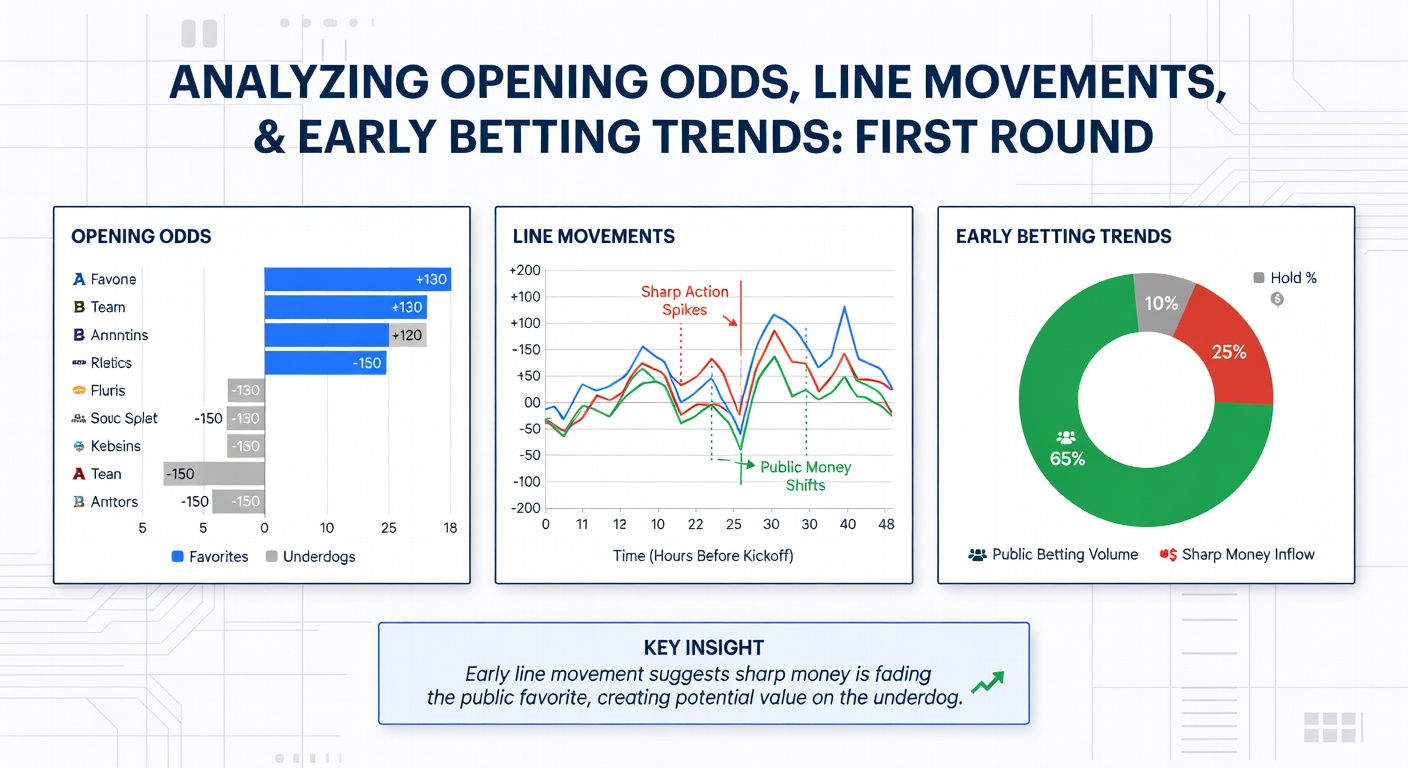
By July 2026 the tournament will be underway with group-stage matches scheduled across multiple host cities. Operators will monitor real-time betting patterns during the opening weeks to adjust odds and market availability. Data collected from the early rounds will inform adjustments for later stages where knockout matches typically attract larger individual wagers.
Regulatory frameworks in the United States will continue to shape how platforms present World Cup markets. States with active sports betting legislation will process wagers through licensed operators while states without such frameworks will see activity directed toward offshore sites.
Conclusion
The 2026 World Cup presents a defined window during which betting operators anticipate elevated activity compared with typical summer months. Projections of $4.4 billion in the United States and tens of billions globally provide measurable benchmarks that platforms will track as the tournament progresses. The combination of an expanded field, multiple host nations, and established operator infrastructure positions the event as a focal point for online wagering through the summer period.