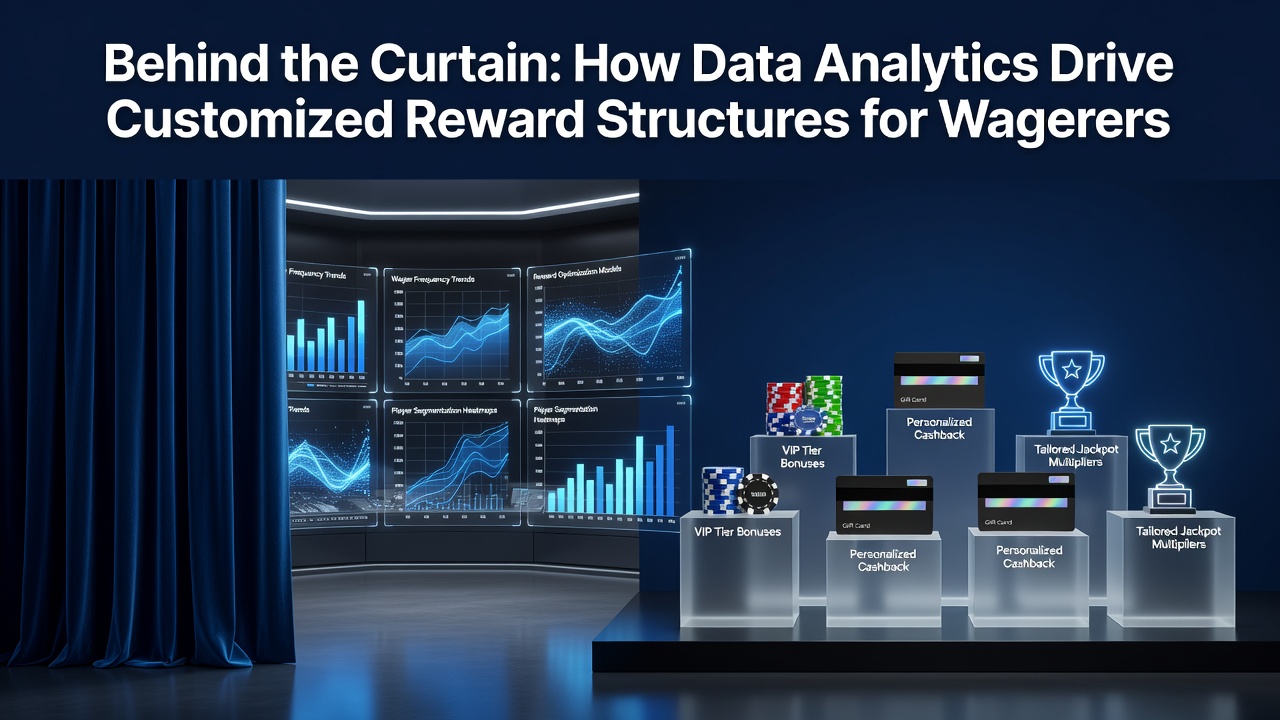
Behind the Curtain: How Data Analytics Drive Customized Reward Structures for Wagerers
Operators in the wagering industry collect vast amounts of player data through registration details, transaction histories, and behavioral tracking systems, and these inputs feed into analytics platforms that segment users based on activity patterns, risk profiles, and engagement levels. Data scientists apply machine learning models to predict which reward offers will prompt continued play without exceeding operator margins, and this process relies on variables such as deposit frequency, average bet size, and session duration.
Data Inputs and Collection Methods
Platforms gather information from multiple sources including mobile app interactions, website clicks, and loyalty program participation, while real-time feeds from payment processors add details on funding sources and withdrawal requests. Researchers at institutions such as the University of Nevada Reno have documented how these datasets allow operators to build individual player profiles that update continuously, and the profiles then trigger automated reward assignments ranging from free spins to deposit matches tailored to specific user segments.
Geolocation data and device identifiers further refine these profiles by revealing preferred times of play and game categories, yet operators must balance such granularity against privacy regulations that vary by jurisdiction. In July 2026 several North American states introduced updated reporting requirements for data handling practices, and these rules require platforms to disclose how analytics influence reward distribution without exposing proprietary algorithms.
Segmentation and Personalization Algorithms
Analytics teams divide wagerers into cohorts such as high-volume sports bettors, occasional casino players, and churn-risk individuals, and each cohort receives distinct incentive structures calculated through predictive scoring. A player who consistently wagers on live events might receive cashback percentages tied to those markets, whereas a slots-focused user could see free spin packages calibrated to their typical stake levels.
According to reports from the American Gaming Association, operators have increased the precision of these models by incorporating external economic indicators like regional employment rates, and the integration helps adjust reward generosity during periods of lower player activity. The models also account for lifetime value projections so that rewards remain cost-effective while maintaining engagement metrics.
Implementation Across Platforms
Once analytics engines generate recommendations, automated systems deploy the rewards through in-app notifications or email campaigns timed to coincide with predicted return visits. Case studies from major operators show that customized reload bonuses delivered after a losing streak can lift retention rates by measurable percentages compared with generic offers sent to entire user bases.

European platforms have adopted similar techniques under frameworks monitored by the European Gaming and Betting Association, where data transparency rules require operators to explain reward eligibility criteria to users upon request. These regulations encourage the use of auditable analytics pipelines that separate promotional logic from core betting engines.
Impact on Revenue and Player Behavior
Figures from industry tracking services indicate that personalized reward programs correlate with higher average revenue per user when the incentives align closely with individual betting preferences, and the alignment reduces the likelihood of players migrating to competing platforms. At the same time, the systems flag excessive reward utilization that might signal problem gambling patterns, allowing operators to insert responsible gaming interventions at calculated points.
Analysts note that July 2026 saw several operators expand their analytics teams to handle growing data volumes from expanded sports calendars, and the expansions coincided with new league partnerships that supplied additional event-level statistics for finer segmentation. The resulting reward structures often combine elements such as tiered cashback rates and event-specific free bets, all calibrated through iterative testing on control groups.
Conclusion
Data analytics continue to shape how wagering platforms allocate rewards by transforming raw player information into targeted offers that balance retention goals with operational sustainability. As regulatory environments evolve and data sources expand, the underlying models will likely incorporate additional variables while maintaining compliance across jurisdictions. Observers expect these systems to remain central to platform strategies through the remainder of 2026 and beyond.