
Bet Builders Take Center Stage as Operators Prepare for the 2026 World Cup Expansion
Expanded to 48 teams and 104 matches, the 2026 FIFA World Cup creates new opportunities for sports betting products that allow customized wagers, and operators in the United States stand ready to leverage widespread mobile availability for customer growth during this period. Data from industry sources shows bet builders and parlays shifting from specialized options to primary drivers of activity, with figures indicating roughly 33 percent of total bets yet over 50 percent of revenue in certain markets. Observers note that this evolution reflects broader changes in how bettors construct their selections across multiple events and outcomes.
The Scale of the 2026 Tournament and Betting Implications
The tournament's increase from 32 to 48 teams extends the schedule through June 2026, producing more fixtures that support layered betting combinations, and US-based platforms have positioned mobile apps as the main channel for reaching new users during this window. Figures reveal that states with established mobile betting frameworks report higher engagement rates on customizable products compared with traditional single-event wagers, while the volume of matches creates sustained opportunities for parlays spanning group stages and knockout rounds.
European operators have long integrated bet builders into core offerings, whereas US markets adopted these tools more recently yet achieved faster revenue concentration once regulations permitted wider deployment. Studies found that platforms offering seamless bet builder interfaces capture greater shares of handle during major soccer events, and the 2026 schedule provides a test case for how these differences play out across regions.
Evolution of Bet Builders from Niche Feature to Revenue Driver
Early versions of bet builders appeared in select European markets around 2015, limited to a few outcome combinations, yet by 2024 they accounted for substantial portions of overall betting volume in multiple jurisdictions. Reports indicate that the shift occurred as user interfaces improved and mobile access expanded, allowing bettors to combine player props, team totals, and match results in single tickets. In the United States, similar growth followed the rollout of legal mobile betting in additional states, with certain operators reporting that bet builders generate more than half of gross gaming revenue despite representing a smaller slice of total wagers.
US Mobile Availability and Customer Acquisition Strategies
States that permit online and mobile sports betting have documented higher conversion rates from free-to-play users to depositing customers when bet builder promotions are featured prominently, and the 2026 World Cup timeline aligns with continued expansion of these channels in remaining jurisdictions. Data shows that operators using targeted notifications and simplified builder tools during prior international tournaments retained larger user bases afterward, suggesting parallel patterns may emerge next year.
European and US Market Approaches Compared
European firms typically embed bet builders within established retail and online ecosystems that already include extensive soccer coverage, whereas US companies focus on mobile-first designs that emphasize quick customization and cash-out options during live matches. Analysts have observed that these structural differences influence how each region prepares for high-volume events such as the expanded World Cup, with US platforms highlighting acquisition campaigns tied to the tournament calendar.
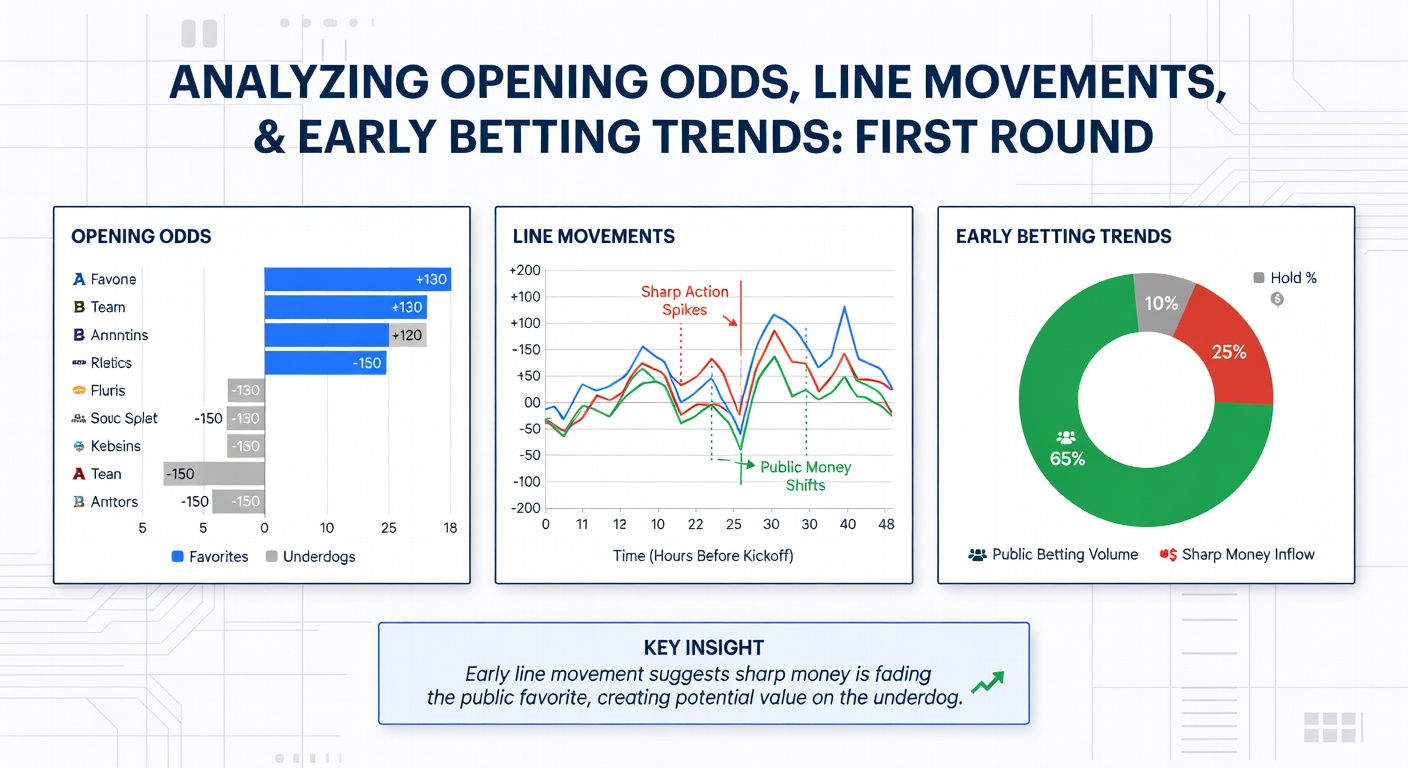
What's interesting is that both approaches converge on the same revenue outcome, as bet builders concentrate risk and reward in ways that increase average ticket value. Operators on either side of the Atlantic have adjusted compliance systems to handle the increased complexity of these products ahead of 2026.
Mergers, Acquisitions, adn Technology Integration
Kaizen Gaming's acquisition of GameplAI illustrates how established betting groups are incorporating specialized technology to strengthen bet builder capabilities, and similar transactions have occurred as companies seek to scale personalization features before the World Cup. Industry records show that these moves often target algorithms capable of generating real-time combination suggestions while maintaining margin controls, and the resulting platforms support higher volumes of custom parlays without manual oversight.
Regulatory Enforcement and Integrity Considerations
Regulatory bodies continue to monitor bet builder products for compliance with advertising standards and responsible gambling requirements, with enforcement actions documented in several European markets during recent tournaments. In the United States, state commissions have issued guidance on how parlays must disclose odds and payout structures, and operators have responded by updating interfaces to meet these standards ahead of the 2026 schedule. Integrity units have flagged the potential for unusual betting patterns on multi-leg selections, prompting enhanced monitoring protocols that track correlated outcomes across matches.
Those who've studied market data note that enforcement remains consistent rather than event-specific, yet the volume of matches in 2026 will require scaled resources from both regulators and operators to maintain oversight.
The World Cup as a Defining Period for Industry Development
The 2026 tournament represents a concentrated period during which bet builder adoption and revenue contribution can be measured against prior benchmarks, and operators have already begun aligning marketing calendars and product roadmaps around the expanded fixture list. Figures from previous World Cups demonstrate spikes in parlay activity during group stages, and the addition of 16 teams extends the window for such patterns to develop.
Conclusion
Bet builders and parlays have moved from supplementary features to central components of sports betting operations, and the 2026 FIFA World Cup provides a measurable occasion to assess their performance across US and European markets. Acquisitions such as Kaizen Gaming's purchase of GameplAI, combined with ongoing regulatory attention, shape how these products reach users while addressing compliance needs. Mobile availability in the United States positions operators to pursue customer growth during the tournament, and the 104-match schedule supplies extended data for evaluating revenue concentration and integrity measures.