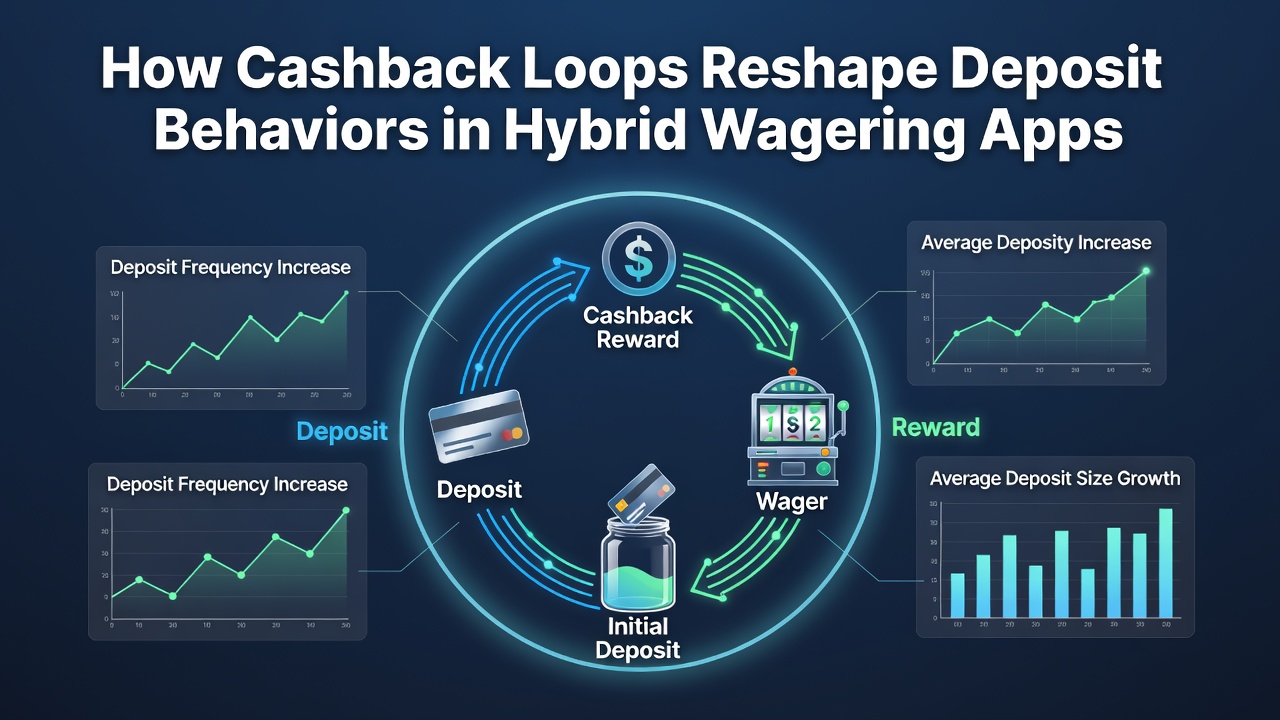
Cashback Loops Drive Shifts in Deposit Patterns Across Hybrid Wagering Platforms
Hybrid wagering apps blend sports betting with casino games, and cashback loops have emerged as a mechanism that ties player losses directly back into continued platform activity through percentage returns on net losses over set periods. These systems typically calculate cashback on a weekly or daily basis, crediting a portion of losses as bonus funds that require additional deposits to unlock or maximize. Data from industry reports in August 2026 shows operators tracking deposit frequency increases of 18 to 25 percent among users enrolled in such programs compared to standard bonus structures.
Users often respond by adjusting deposit timing to align with cashback cycles, which leads to smaller but more regular funding events rather than larger one-time transfers. Researchers at academic institutions examining transaction logs note that this pattern appears because players seek to maintain eligibility for the next cashback payout without letting balances drop to zero. The result shows up in aggregated platform metrics where average deposit amounts fall while total monthly deposits per active account rise.
Mechanics of Cashback Integration in Mixed Platforms
Operators structure cashback loops to cover both sports wagers and casino spins within the same account, creating a unified loss-tracking system that feeds back into deposit prompts. When a player incurs losses across product types, the system aggregates those figures and issues credits that appear in the wallet after a qualifying period. This integration encourages users to switch between betting formats because losses in one area still contribute to rewards in the overall loop.
Platform analytics from multiple operators indicate that deposit behaviors shift toward pre-cycle top-ups, where users fund accounts just before cashback calculation windows close. Those patterns emerge because players aim to offset recent losses immediately and position themselves for higher future returns. Evidence from transaction data reveals clusters of deposits occurring 24 to 48 hours before scheduled cashback distributions.
Observed Changes in Funding Frequency and Size
Studies tracking user cohorts across hybrid apps find that cashback participants complete deposits 1.4 times more often than non-participants during equivalent time frames. The average deposit size decreases by roughly 12 percent, yet cumulative monthly funding volumes per user increase due to the added frequency. These trends hold across different regions, with similar ratios reported in North American and Australian markets according to aggregated operator disclosures.
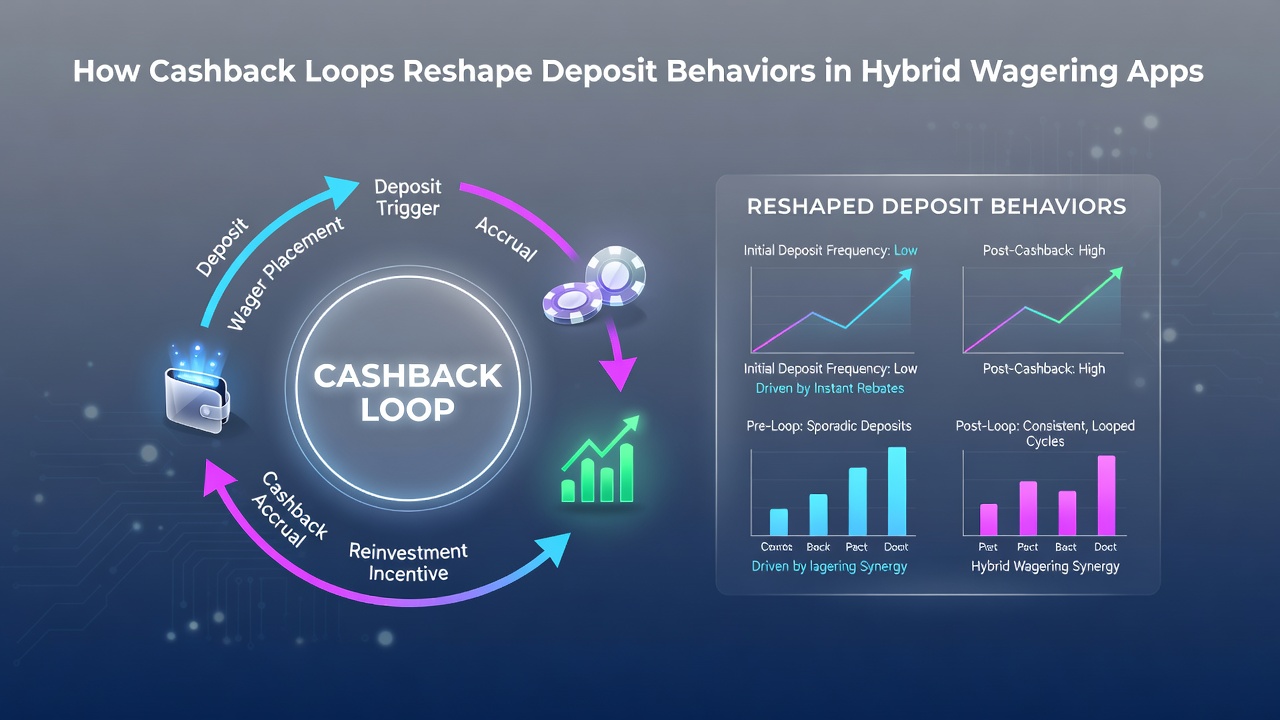
One analysis of account histories from 2025 through August 2026 shows users in cashback programs maintaining steadier balance levels because frequent small deposits prevent full depletion between cycles. This steadiness reduces instances of zero-balance periods that previously prompted longer breaks from activity. Figures from regulatory summaries in Canada highlight parallel movements in deposit timing after cashback features gained wider adoption in hybrid environments.
Platform Revenue and Retention Correlations
Operators report that cashback loops correlate with extended account lifespans, as measured by days between first and last deposit. Retention models indicate a 9 to 14 percent lift in 90-day active rates for users exposed to these loops versus those on flat reload bonuses. The effect appears tied to the psychological reinforcement of recovering portions of losses through continued deposits rather than outright wins.
According to reports from the American Gaming Association, platforms incorporating cashback elements see deposit conversion rates improve when loss thresholds trigger visible credit previews in user dashboards. These previews prompt immediate funding actions because users observe exact amounts they stand to receive upon depositing. Australian research institutions studying similar systems note comparable conversion spikes tied to transparent loss-to-credit calculations.
Regulatory Context and Data Tracking
Government bodies in multiple jurisdictions require operators to log deposit patterns linked to incentive programs, which has produced datasets that researchers now use to quantify cashback effects. In August 2026, updates from Canadian provincial gaming authorities showed increased scrutiny on how such loops influence overall spend velocity. Those records feed into broader studies examining whether frequent deposits alter risk exposure across player segments.
Industry groups such as the European Gaming and Betting Association compile cross-border comparisons that reveal consistent deposit reshaping in hybrid apps regardless of local tax structures. The data points to cashback loops functioning as a pacing mechanism that distributes funding events more evenly across weeks and months.
Conclusion
Cashback loops continue to alter deposit behaviors by synchronizing funding actions with loss-recovery cycles in hybrid wagering apps. Transaction records and retention metrics demonstrate measurable increases in deposit frequency alongside reductions in individual deposit amounts. These patterns persist across different regulatory environments and product mixes, supported by ongoing data collection from operators and oversight agencies. Future analyses will likely examine how adjustments to cashback percentages or qualifying periods further modify these established behaviors.