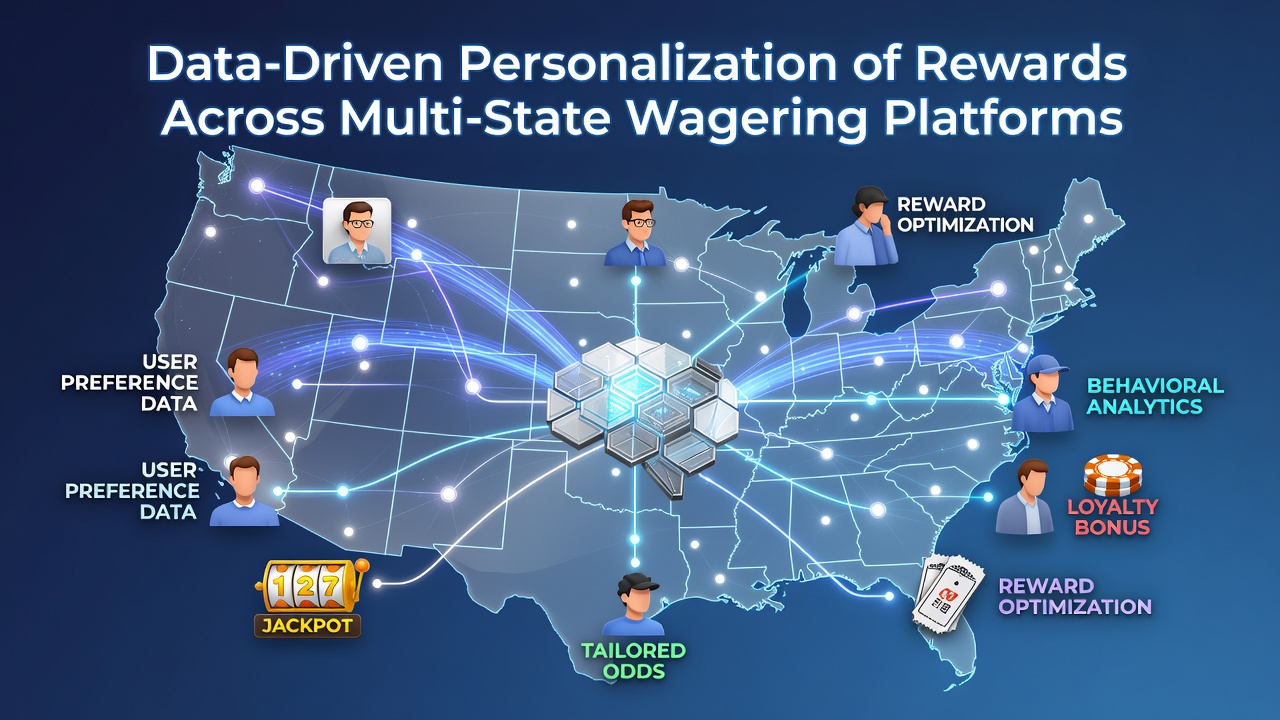
Data Patterns Shaping Individualized Incentives in Cross-State Betting Operations
Platforms operating across multiple states rely on aggregated player data to adjust reward structures according to individual betting histories, location-specific regulations, and engagement metrics, and this approach has expanded notably by August 2026 as more jurisdictions authorize online wagering. Operators collect information on wager frequency, preferred sports or games, deposit patterns, and session durations, then apply algorithms that generate offers such as customized cashback percentages or bonus multipliers tailored to each user profile.
Core Mechanisms Behind Reward Customization
Analysts at major platforms segment users into cohorts based on risk tolerance and lifetime value calculations, while machine learning models predict which incentives will encourage continued activity without exceeding responsible gaming thresholds set by individual state regulators. These systems process real-time inputs from mobile apps and web interfaces, allowing adjustments to promotions within hours rather than days, and the process accounts for variations in tax rates and licensing requirements that differ between states like New Jersey, Pennsylvania, and Michigan.
Geolocation data plays a central role because rewards must comply with the legal framework of the state where the bet originates, and operators maintain separate rule sets for each jurisdiction to avoid conflicts with local statutes. Research from industry reports shows that platforms using these layered data models achieve higher retention rates when offers align closely with documented player preferences rather than applying uniform bonuses across all accounts.
Regulatory Considerations Across Jurisdictions
State gaming commissions require detailed reporting on how personalized rewards influence player behavior, and operators submit anonymized datasets that demonstrate compliance with advertising standards and problem gambling safeguards. In August 2026 several states updated their guidelines to mandate clearer disclosure of algorithmic decision-making used in reward distribution, prompting platforms to refine transparency features within their apps.
One study released by the American Gaming Association examined how multi-state operators balance data utilization with varying consumer protection rules, and findings indicated that unified data platforms reduce administrative overhead while still respecting each state's unique reporting obligations. Observers note that integration of third-party compliance tools has become standard practice for handling these cross-border complexities.
Implementation Examples and Platform Strategies
Take the case of a large operator that introduced dynamic loyalty tiers in early 2026; the system pulled from a central database to award points that converted into state-specific rewards, such as increased odds boosts in one jurisdiction and free spins in another where casino games predominate. This setup allowed the platform to maintain consistent player engagement metrics even as users traveled between states with active accounts.
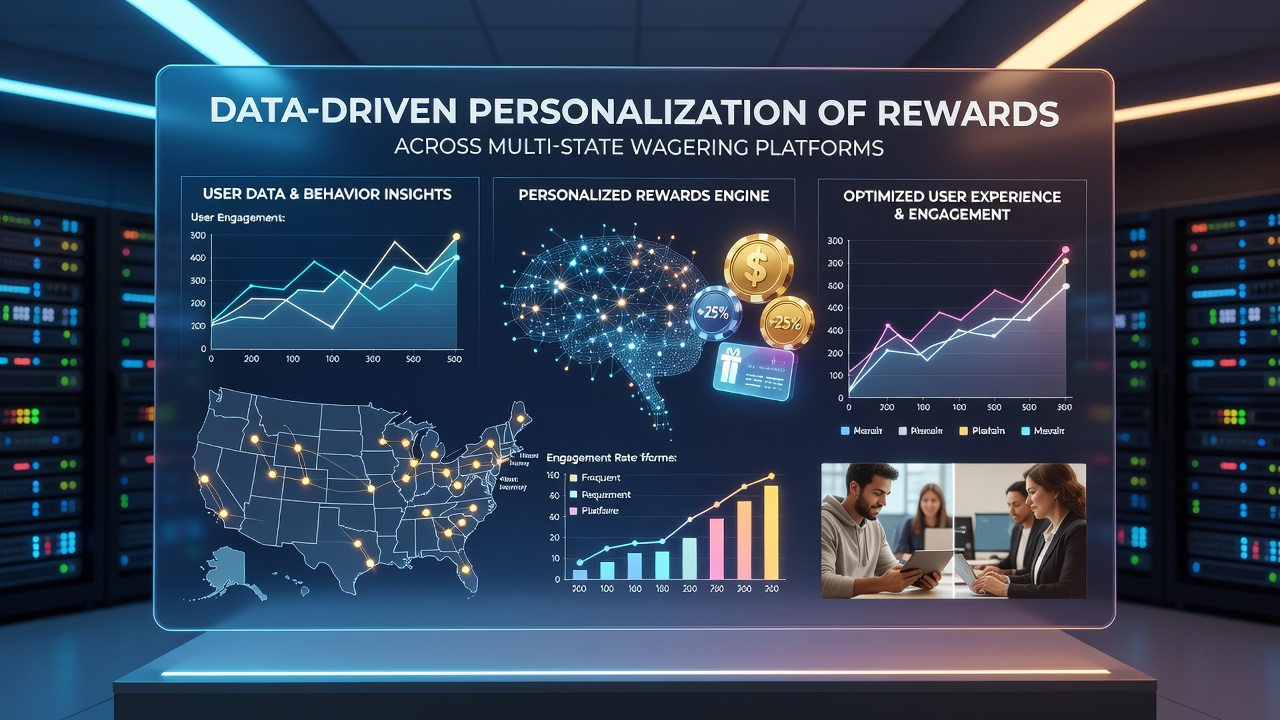
Another approach involves predictive modeling that forecasts churn risk based on recent activity drops, then triggers targeted reload bonuses or cashback offers calibrated to the user's historical deposit size. Data indicates these interventions occur more frequently in competitive markets where multiple operators vie for the same player pool, and the timing of offers often aligns with major sporting events to maximize impact.
Technical Infrastructure Supporting Personalization
Cloud-based data warehouses aggregate information from disparate state-licensed servers, and application programming interfaces enable seamless updates to reward engines without disrupting live betting operations. Security protocols encrypt user identifiers while permitting analysis of behavioral trends, and encryption standards meet or exceed requirements set by bodies such as the Malta Gaming Authority for platforms with international operations.
Engineers regularly audit these infrastructures for bias in recommendation algorithms, because skewed data inputs can lead to uneven reward distribution across demographic groups. Platforms that publish annual transparency reports on their personalization practices have seen improved trust signals from users who review how their activity data influences offered incentives.
Conclusion
The expansion of data-driven reward systems across multi-state wagering platforms reflects ongoing adaptation to both technological capabilities and regulatory environments, with operators continuing to refine segmentation techniques and compliance frameworks through 2026. Continued investment in analytical tools supports the delivery of incentives that respond to individual patterns while satisfying the distinct rules of each participating jurisdiction.