
Fanatics Secures NFL Partnership as Expired Deals Open Doors for Prediction Markets
August 2026 finds the U.S. sports betting sector in transition because Fanatics has closed a major NFL partnership while earlier agreements held by FanDuel and DraftKings reached their end dates, and prediction market platforms have captured growing portions of operator budgets ahead of kickoff. These moves coincide with a wider redistribution of resources across the industry as traditional sportsbooks adjust to new competitive pressures from event-contract platforms.
Partnership Shifts Reshape NFL Betting Access
Fanatics completed the NFL deal during the summer window when many multi-year contracts came up for renewal, and this timing allowed the company to step into rights previously managed by other operators whose arrangements had lapsed. Data from the period shows that several states processed updated licensing paperwork to accommodate the new arrangement, while FanDuel and DraftKings redirected marketing spend toward markets where they retained active partnerships. Observers note that the change affects how bettors in certain regions encounter official NFL-branded offerings on mobile apps and websites.
Prediction Markets Draw Rising Operator Spending
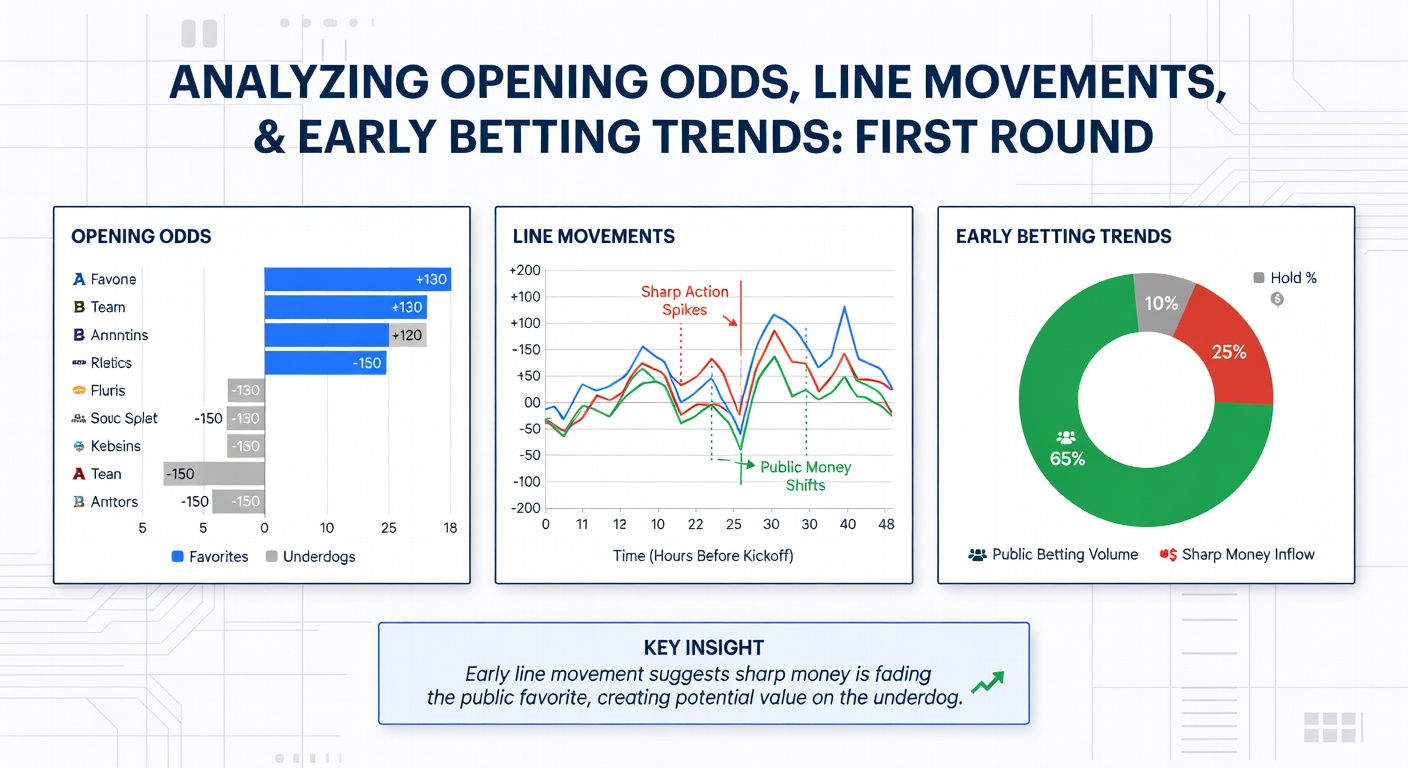
Alongside the NFL partnership news, figures reveal increased allocations from major operators toward prediction market contracts as football season approached. Companies that once concentrated budgets on traditional point-spread and totals markets have begun testing event contracts on platforms that allow trading on binary outcomes such as game winners or player milestones. Industry reports indicate these platforms received larger shares of promotional dollars in August 2026 compared with the same month in prior years, partly because regulatory clarity in select jurisdictions has expanded the range of permitted contracts.
Expired Agreements Trigger Strategic Reallocation
The expiration of prior FanDuel and DraftKings deals created openings that Fanatics filled, yet the same expirations also prompted several operators to review their overall spending patterns. Rather than renewing every legacy contract at previous rates, some companies shifted portions of those funds toward prediction market liquidity pools and user acquisition campaigns on newer platforms. State regulatory filings from multiple jurisdictions document these adjustments, and the filings show line items for prediction market integrations appearing more frequently than in 2025 submissions.
Broader Landscape Changes Affect Operator Priorities
Competition from prediction platforms has altered how traditional sportsbooks prioritize product features and partnership negotiations. Data compiled by research groups tracking handle volumes indicates that event-contract trading now accounts for a measurable slice of total activity in states where both models operate side by side. Operators have responded by refining their risk models to account for parallel liquidity on prediction exchanges, and several have introduced hybrid promotions that reference outcomes available on both traditional and prediction platforms. These adaptations reflect ongoing efforts to retain user engagement amid expanding choices for bettors.
According to industry coverage from Covers, the pace of these reallocations accelerated in the weeks leading into the 2026 season. The same reports note that states with newer regulatory frameworks have seen faster uptake of prediction market activity, while states with older statutes continue to emphasize conventional sports wagering products.
Regulatory and Market Context in August 2026
By mid-August 2026, state gaming commissions across the country had processed dozens of applications tied to the new NFL partnership and to expanded prediction market offerings. Public records show that some commissions required operators to demonstrate segregation of funds between traditional and prediction products, while others focused on consumer disclosure rules. These procedural steps coincided with pre-season marketing pushes that highlighted both the Fanatics partnership and the growing presence of prediction contracts.
Conclusion
The combination of Fanatics securing an NFL partnership, the expiration of earlier FanDuel and DraftKings agreements, and heightened operator spending on prediction markets illustrates a single, interconnected shift in the U.S. sports betting environment during August 2026. Regulatory filings, budget reallocations, and partnership announcements all point to the same pattern: resources are moving toward platforms and products that align with current competitive conditions. As the season progresses, further filings and spending reports will show whether these early adjustments stabilize or continue to evolve.