
Gaming Associations Urge Congress to Restrict Prediction Market Event Contracts in Mid-2026 Regulatory Push
Gaming associations have called on Congress to impose restrictions on prediction market event contracts, a move that comes amid growing concerns over unregulated betting activity in the United States, and this development arrives as prediction markets continue to gain traction in sports and event wagering during mid-2026.
The push reflects broader regulatory debates that have shaped the U.S. betting industry for years, with groups representing traditional gaming interests highlighting potential risks associated with these platforms while lawmakers consider how existing frameworks might adapt to new forms of wagering.
Background on the Call for Federal Restrictions
Representatives from several gaming associations presented their position to congressional committees in May 2026, emphasizing the need for clearer rules around event contracts that function similarly to bets on outcomes like elections, sports results, and entertainment milestones, and they argued that without intervention these markets operate outside established oversight mechanisms that apply to licensed sportsbooks and casinos.
Observers note that prediction markets have expanded rapidly since 2024, drawing participants who seek to trade contracts on a wide range of events, yet this growth has prompted questions from regulators and industry stakeholders about consumer protections, market integrity, and the distinction between gambling and financial products.
How Prediction Markets Have Gained Traction
Prediction markets operate through the buying and selling of contracts tied to specific event outcomes, with prices fluctuating based on collective expectations, and data from industry reports show increased participation in sports-related contracts alongside traditional election and news event trading throughout early 2026, which has contributed to the current regulatory spotlight.
Those who've studied market volumes indicate that event contracts on major sports leagues and entertainment awards now represent a notable share of activity on certain platforms, creating competition with state-regulated sports betting options that must comply with licensing, taxation, and responsible gambling requirements.
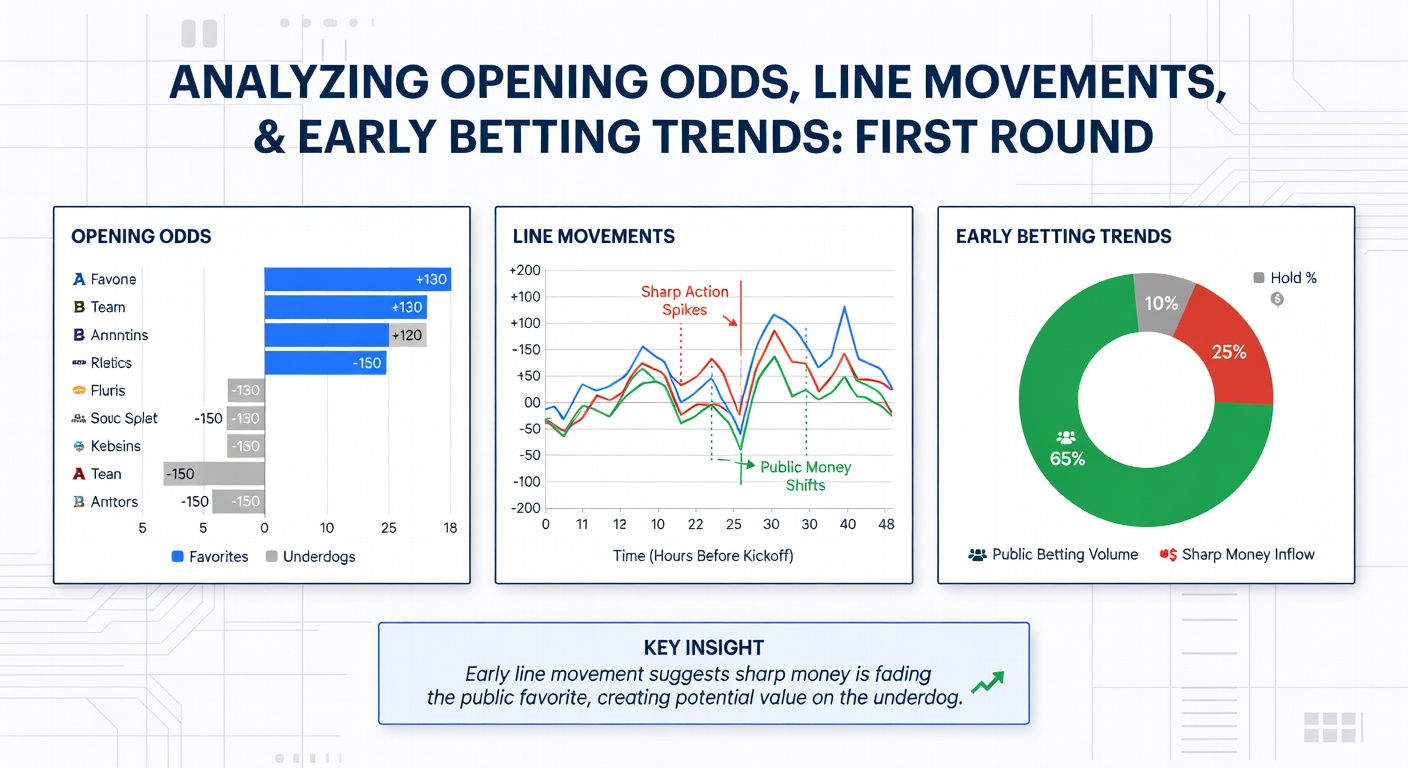
Key Concerns Driving the Associations' Position
Associations have pointed to several areas of concern including the lack of uniform age verification standards, limited tools for problem gambling intervention, and the potential for market manipulation in thinly traded contracts, and they have urged Congress to evaluate whether federal legislation could establish baseline standards that apply across state lines.
Research indicates that unregulated platforms sometimes offer contracts on events that fall into legal gray areas under current interpretations of gambling laws, which has led some state attorneys general to issue warnings or pursue enforcement actions in recent months, while federal lawmakers weigh whether additional statutes are necessary to address these gaps.
Current Landscape of U.S. Betting Regulation
The U.S. betting industry operates under a patchwork of state laws following the 2018 Supreme Court decision that overturned the federal ban on sports betting, and although many states have authorized licensed operators with strict compliance rules, prediction market platforms have largely avoided similar state-level licensing by positioning their products as information markets or derivatives.
Figures from regulatory filings reveal that states with active sports betting programs collected significant tax revenue in the first quarter of 2026, yet prediction markets remain largely outside these revenue streams, prompting discussions among policymakers about competitive fairness and public policy goals.
Potential Paths Forward for Legislation
Congressional staff have begun examining existing commodity trading frameworks and gambling statutes to determine which models might best address prediction market event contracts, and proposals under consideration include requiring registration with federal agencies, implementing transparency requirements for contract settlement, and clarifying the legal status of certain event categories.
Those who've followed similar legislative efforts note that any new rules would likely involve coordination between the Commodity Futures Trading Commission and state gaming regulators, creating a hybrid oversight structure that aims to balance innovation with consumer safeguards.
Conclusion
The call from gaming associations to restrict prediction market event contracts marks a significant moment in the ongoing regulatory debates within the U.S. betting industry during mid-2026, and as these markets continue to attract participants in sports and event wagering, lawmakers face decisions that will shape how such platforms operate in the years ahead.