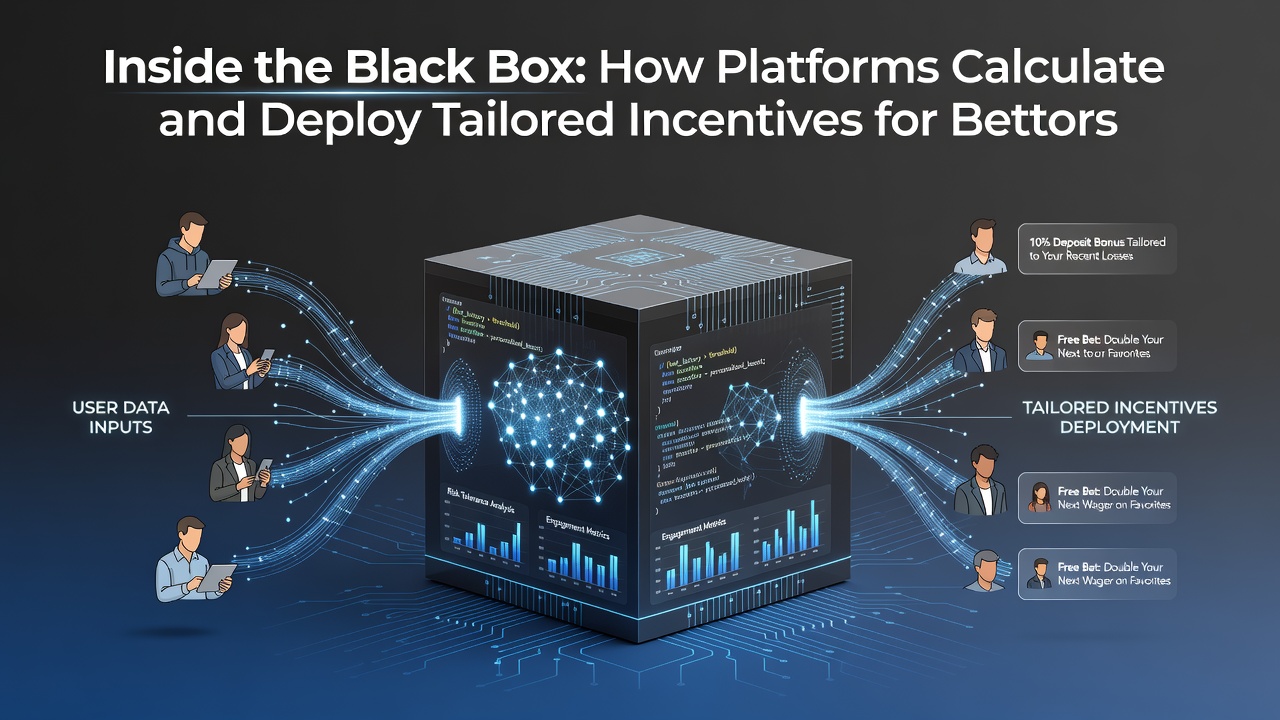
Inside the Black Box: How Platforms Calculate and Deploy Tailored Incentives for Bettors
Betting platforms rely on layered data systems to shape personalized offers, pulling from user activity logs, deposit patterns, and session durations to build individual profiles that guide reward allocation. Analysts track metrics such as average stake size, sport preferences, and response rates to prior promotions, feeding these inputs into algorithms that assign users to specific incentive tiers. As of August 2026, operators have expanded these models to incorporate real-time behavioral signals, adjusting offers mid-session when engagement metrics shift.
Data Inputs That Drive Personalization
Platforms gather information across multiple channels, including mobile app interactions, website navigation paths, and historical transaction records, while cross-referencing these with external datasets on regional betting trends. Researchers have documented how machine learning models process variables like win-loss ratios and time between bets to predict which users will respond to free bet credits versus deposit matches. One study revealed that operators segment audiences into clusters based on lifetime value calculations, allowing finer targeting of cashback loops for high-frequency players and bonus multipliers for occasional bettors.
Geolocation data and device type further refine these segments, since mobile users often receive different push notification timing than desktop participants. Government reports from the New Jersey Division of Gaming Enforcement highlight that compliance teams review these data pipelines to ensure offers do not target self-excluded accounts, maintaining separation between marketing systems and responsible gambling flags.
Risk Models and Offer Calibration
Behind the scenes, risk engines evaluate each profile against projected margin erosion, balancing potential revenue from increased volume against the cost of the incentive itself. Models assign probability scores to conversion events, then optimize the size and structure of rewards to hit internal targets for retention without exceeding budgeted liability. Observers note that platforms test multiple offer variants through A/B frameworks, measuring uplift in handle and deposit frequency before rolling out scaled versions to similar user groups.
Take the example of a mid-tier sports bettor who receives a parlay insurance credit after three consecutive losses, an action triggered when the algorithm detects a downturn in activity that matches historical churn patterns. These decisions occur within seconds of login, drawing on pre-computed segments updated nightly from aggregated platform data.
Deployment Channels and Timing Strategies
Once calculated, incentives reach users through email sequences, in-app banners, and personalized SMS campaigns timed to coincide with major sporting events. Data indicates that operators schedule reload bonuses for users whose deposits have dropped below a threshold derived from their prior three-month average. Industry reports from the Australian Institute of Health and Welfare show correlations between tailored cashback offers and extended play sessions, though the same documents emphasize the need for clear terms around expiration dates.
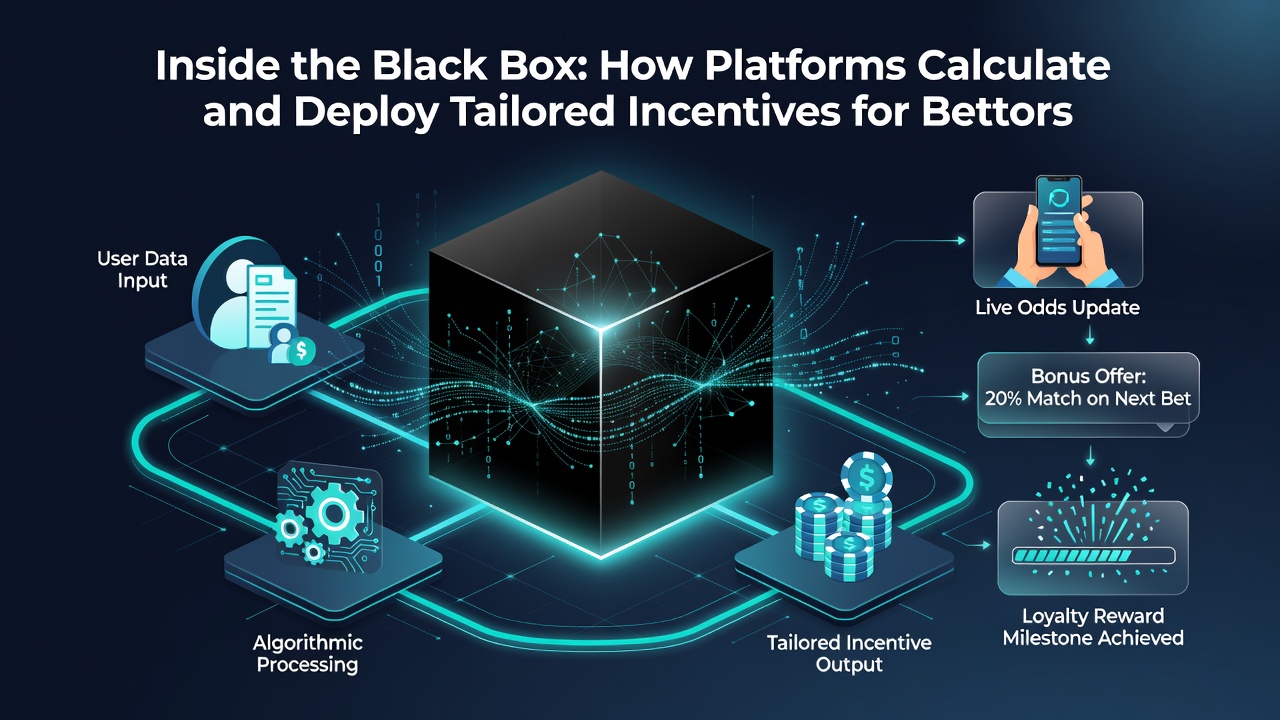
Platforms also integrate these offers into bet builder tools, automatically surfacing enhanced odds on selections that align with a user's historical preferences. What's interesting is how conditional triggers activate additional layers, such as boosting a free bet amount when a player adds legs to a parlay, a feature refined through continuous model retraining on conversion outcomes.
Regulatory Oversight and Transparency Requirements
Regulators in multiple jurisdictions require operators to document the logic behind incentive targeting, ensuring algorithms do not inadvertently discriminate against protected categories. A 2026 analysis from the European Gaming and Betting Association examined how platforms maintain audit trails that link each deployed offer back to the data points and scoring rules used in its creation. These records support reviews by oversight bodies while allowing companies to demonstrate that reward structures remain consistent with fair play standards.
Canadian provincial gaming authorities have similarly requested breakdowns of bonus eligibility criteria, focusing on whether models incorporate problem gambling indicators alongside commercial metrics. Those who've studied this know that documentation practices vary by license type, yet the core requirement remains consistent across markets.
Conclusion
Platform incentive systems continue to evolve through iterative refinement of data pipelines and risk calculations, producing offers that reflect individual betting histories and projected behaviors. External links to regulatory filings and academic summaries provide further detail on the technical frameworks that support these operations. As data collection methods advance, the precision of tailored rewards is expected to increase while remaining subject to ongoing compliance scrutiny.