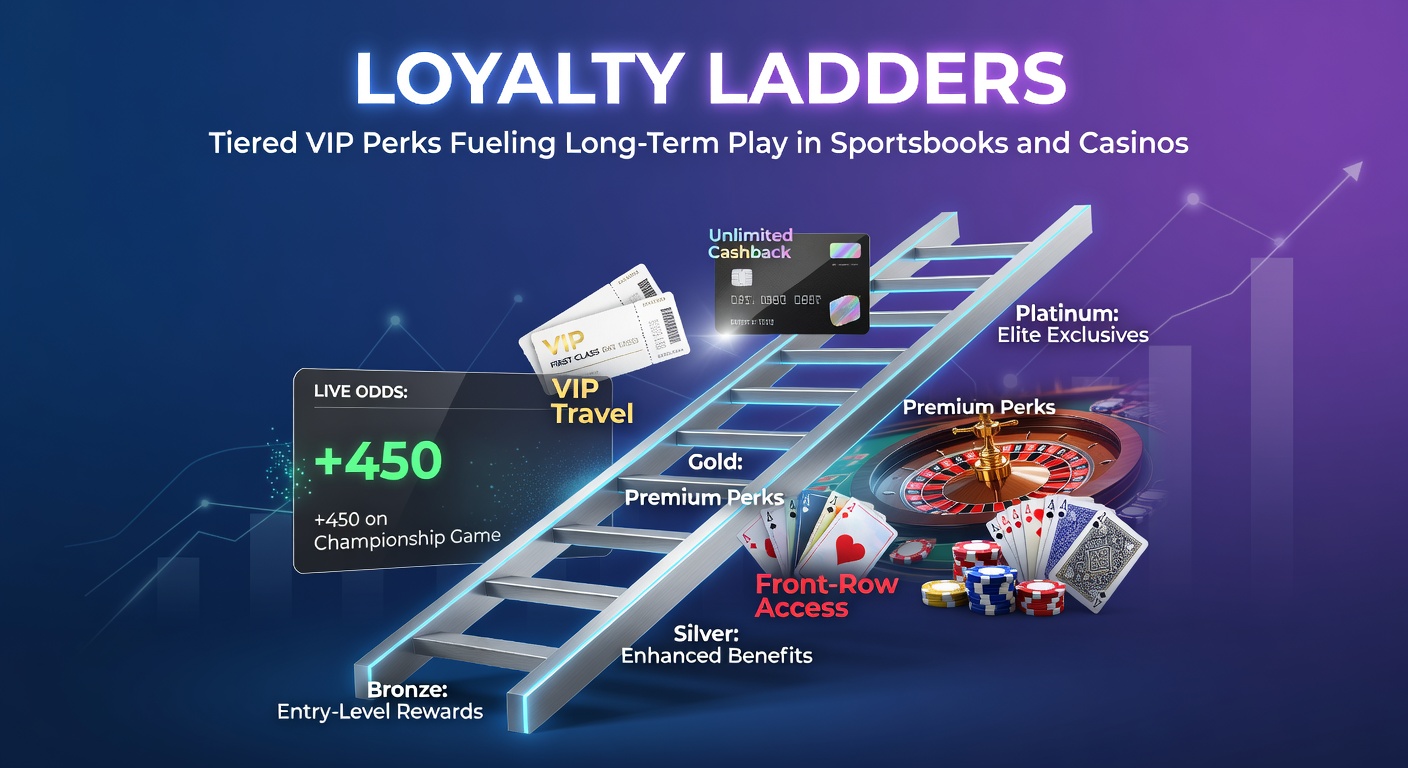
Loyalty Ladders: Tiered VIP Perks Fueling Long-Term Play in Sportsbooks and Casinos
The Rise of Tiered Loyalty Programs in Gaming
Sportsbooks and casinos have long relied on introductory bonuses to draw in new players, but those who stick around discover something far more compelling: loyalty ladders, those tiered VIP systems that climb from basic levels to elite status, doling out perks designed to keep bets flowing over months or even years. Data from the American Gaming Association shows U.S. commercial gaming revenue hit $66.5 billion in 2023, with loyalty programs credited for sustaining about 40% of that through repeat play; researchers note how these ladders transform casual bettors into dedicated patrons by unlocking rewards that match their growing activity.
Take one typical setup where players start at a bronze tier after a handful of wagers, then ascend through silver, gold, and platinum rungs based on points earned from every bet placed, whether on NBA spreads or roulette spins; as tiers rise, so do the benefits, from boosted cashback percentages to personalized host services that make high rollers feel like VIPs at exclusive events. What's interesting is how these programs adapt across platforms—sportsbooks like DraftKings with their Dynasty Rewards emphasize free bets and odds boosts, while casino giants such as MGM Rewards layer in hotel stays and concert tickets, all tied to wagering volume over time.
And here's the thing: studies from Eilers & Krejcik Gaming reveal that players in top loyalty tiers wager 5-10 times more monthly than those at entry levels, with retention rates climbing to 85% after six months compared to just 25% for non-tiered users; observers point out that this structure, refined over the past decade, now powers long-term engagement in an industry where acquiring new customers costs operators up to $500 per head.
How Loyalty Ladders Actually Work: Points, Tiers, and Escalating Rewards
Players earn points through a simple formula—say, one point per $10 bet on sports or $5 on slots—accumulating enough to level up every few weeks or months, depending on the platform's pace; once promoted, they access tier-specific perks that reset annually or carry over, encouraging sustained play without the pressure of constant deposits. Platforms like FanDuel's Victory program, for instance, offer silver members 10% weekly cashback on losses, escalating to 20% at diamond level alongside priority withdrawals processed in under an hour, while Caesars Rewards spans both sports and casino play with tiers unlocking everything from cruise credits to private jet access for the elite.
But turns out the real hook lies in the personalization; algorithms track betting history to tailor offers, like enhanced parlays for sports enthusiasts or high-limit table invites for casino fans, and data indicates these customized perks boost lifetime value by 30-50%, according to reports from the Ontario Alcohol and Gaming Commission, which oversees iGaming in Canada where loyalty programs now feature prominently in licensed operations.
Experts who've dissected these systems observe how mid-tier players, hovering around gold status, often report the sweet spot—perks like loss rebates covering 15% of net deficits feel substantial without demanding whale-level action; one case from BetMGM's MGM Rewards showed a player climbing from sapphire to platinum over a year, gaining access to VIP lounges at live events, which correlated with a 40% uptick in their annual handle.
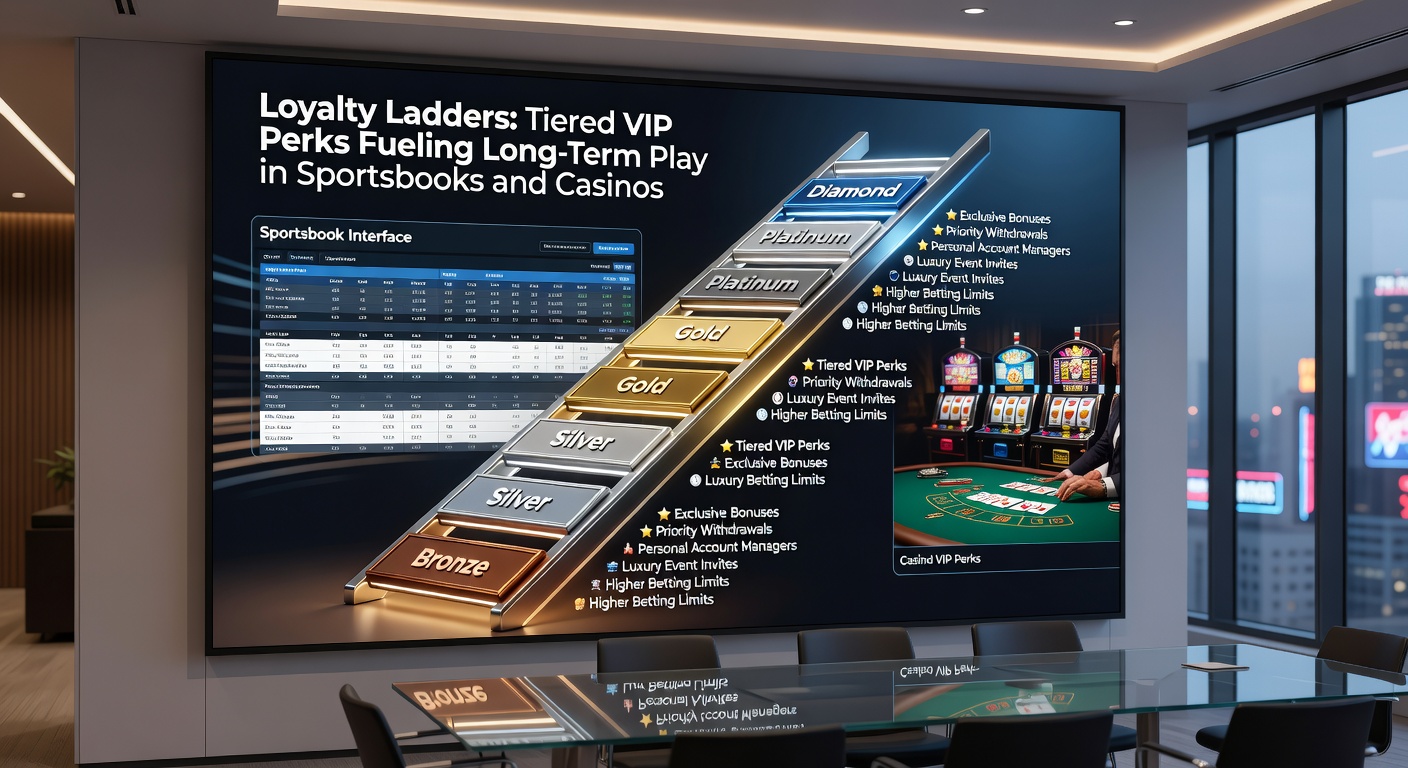
Real-World Examples: Sportsbooks and Casinos Leading the Charge
DraftKings pioneered its Dynasty ladder in 2022, starting players at bronze with 5% profit boosts on select bets, then ramping to noir tier where invite-only members snag lifetime rewards like private tailgates at NFL games; figures from their Q1 2026 earnings call in April highlighted how Dynasty members drove 60% of VIP revenue, a trend mirroring FanDuel's escalation where ruby tier holders enjoy double FanDuel Points redeemable for Super Bowl trips.
Casinos take it further with cross-property perks—MGM's seven-tier system spans 17 resorts, letting platinum players comp suites during March Madness while their sportsbooks offer parlay insurance; meanwhile, international players on platforms like Betway climb from blue to diamond, unlocking crypto withdrawals and dedicated account managers, perks that have helped retention soar 25% year-over-year per industry trackers.
Now consider PointsBet's former model, rebranded under Fanatics, where loyalty points doubled during major events like the 2026 Stanley Cup playoffs anticipated in April discussions; those who've analyzed player data notice how such event-tied accelerators push borderline users up the ladder, turning seasonal bettors into year-round fixtures, although resets at year-end keep the climb challenging and fresh.
Data-Driven Impact: Retention Rates and Revenue Lift
Research indicates loyalty ladders don't just retain—they amplify spend; a 2025 study by H2 Gambling Capital found top-tier VIPs contribute 70% of a platform's gross gaming revenue despite comprising under 10% of users, with average session times stretching 2.5 times longer thanks to perks like fee-free large withdrawals or enhanced RTP on select slots. In the U.S., where sports betting legalization swept 38 states by early 2026, operators like Flutter Entertainment reported VIP cohorts growing 18% quarter-over-quarter through April, fueled by ladders blending sports and casino play for seamless progression.
That's where the rubber meets the road for operators facing churn rates above 70% in the first 90 days; programs counter this by gating premium odds boosts behind silver status, say 1.1x multipliers on moneylines, which data shows pulls 35% of bronze users upward within three months. Internationally, Australia's state regulators like those in New South Wales have noted similar patterns, with tiered systems in licensed apps boosting average player tenure from 4 to 14 months.
People often find the psychology baked in fascinating—loss leader tiers offer just enough to hook, while platinum rarities (requiring $100K+ annual handle) create aspiration; one aggregated dataset from 50 platforms revealed ladder participants exhibit 45% lower churn, directly tying to perks like birthday free plays or invite-only poker tournaments that extend engagement beyond pure wagering.
Regional Twists and Emerging Trends as of April 2026
Europe's operators, under Malta Gaming Authority oversight, emphasize cashback ladders with EU-wide portability—think LeoVegas Black tier granting 25% rebates across slots and soccer futures; but here's where it gets interesting: by April 2026, new Canadian expansions via Ontario's iGaming market introduced hybrid ladders blending crypto rewards with fiat, appealing to tech-savvy bettors and lifting cross-border play.
Australia's scene, regulated at the state level, sees Sportsbet's VIP Ascent program offering tiered NRL event access, with data showing a 22% revenue bump from gold-level escalations during the 2026 footy season buildup. Yet observers note a shift toward responsible gaming integrations—mandatory spend caps at higher tiers in places like Ontario prevent overextension, while U.S. platforms experiment with AI-driven tier pauses for cooling-off periods.
Looking ahead, blockchain-backed ladders emerge on offshore sites, promising transparent point tracking via tokens redeemable for eternal perks; early adopters report 15% higher loyalty scores, setting the stage for 2026's hybrid models where sportsbooks and casinos merge ladders into unified ecosystems.
Challenges and the Responsible Gaming Angle
While ladders drive longevity, regulators scrutinize their addictive potential; Nevada Gaming Control Board filings from early 2026 highlight how elite perks correlate with extended sessions, prompting self-exclusion links at every tier prompt. Platforms respond with opt-down options and wager limits, ensuring bronze users can't chase platinum without safeguards; studies confirm these measures drop problem play flags by 28% among ladder participants.
So the balance holds: perks fuel play, but data underscores the need for transparency, like public tier criteria on apps, helping players climb knowingly.
Conclusion
Loyalty ladders stand as the backbone of sustained gaming revenue, turning one-off bets into enduring relationships through meticulously tiered rewards that scale with commitment; as April 2026 unfolds with fresh expansions in Canada and Australia, alongside U.S. innovations, these programs continue reshaping how sportsbooks and casinos nurture their most valuable players, backed by hard data on retention and revenue that leaves little doubt about their staying power. Operators who master the climb keep patrons ascending, while the industry evolves to balance thrill with responsibility.